“ART HAS THE POWER TO MAKE IDEAS FELT”
– Emma Goldman
A few minutes into the film a taxi driver listens to an American voice on the car radio:
“We’re going to take out seven countries in five years… starting with Iraq, Syria, Lebanon, Lybia, Somalia, Sudan and finishing off Iran…”
This is the voice of General Wesley Clark, the former Supreme Allied Commander of NATO, the first four star general to ever run for president. He is quoting an un-named military official who showed him this memo from the highest levels of government. While the leak occurred many years ago, before the invasion of Iraq, we are feeling its veracity right now. You can see him in full describing this fateful memo here.
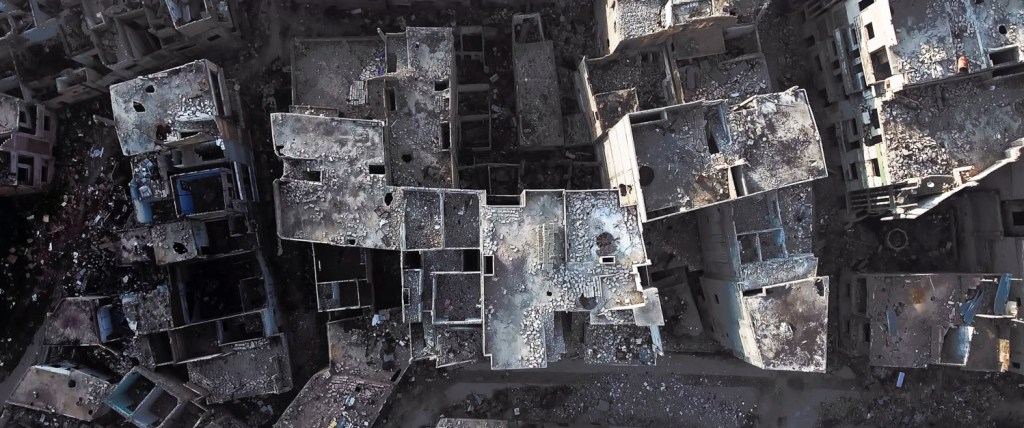
DAMAGE is a film that is laced with deeper meanings. While it is a simple story about two very different people who are forced by circumstances to find their commonality it can also be read as a more sophisticated commentary on the state of permanent war that transform human beings into homeless refugees.
The simple, intimate narrative of the film is interrupted by black and white images; surveillance footage of the two characters as well as the controversial Wikileaks footage “Collateral Murder” – Iraqi journalists being gunned down by American snipers in a helicopter as if they are figures in a video game. This viral footage was amongst the material that put Julian Assange in jail.
DAMAGE features two actors who are complete newcomers to the screen. Imelda Bourke, a popular jazz vocalist in her era undertook the role aged 89. Ali Al Jenabi is an asylum seeker from Iraq who brings his lived experience to the screen in an invented narrative. The use of non-actors is central to the concept of the film.
DAMAGE is a truly independent feature that expresses the importance of humanity and hope in a world where war is becoming the norm and fear and misrepresentation of the refugee a symptom.
– MADELEINE BLACKWELL writer, director.
 DAMAGE